

Would you eat at a restaurant with dirty tables, questionable food handling, or unkempt restrooms? Probably not. Customers notice cleanliness before they even take a bite. In this comprehensive guide, you’ll learn how implementing top-tier restaurant safety standards and hygiene protocols can set your establishment apart, build customer trust, and drive long-term success.
In the restaurant business, delivering great food and exceptional service is only part of the equation for success. Customers also seek assurance that their dining experience will be safe and clean, free from hygiene concerns. For restaurant owners and managers, prioritizing strict food safety regulations and hygiene standards is about meeting legal requirements, building trust, and fostering customer satisfaction.
Learn how maintaining high restaurant hygiene standards can help your establishment stand out from competitors. From understanding food safety compliance requirements to fostering a culture of cleanliness and leveraging technology, this guide provides actionable insights to enhance your restaurant’s reputation, attract loyal customers, and ensure compliance with safety protocols—all essential for sustainable growth.
Why Restaurant Safety Standards Are Essential for Business Success
Restaurant safety and hygiene extend far beyond simply meeting health code requirements and directly impact your bottom line through customer retention, legal protection, and operational efficiency.
1. Prevent Costly Health Incidents
Poor hygiene practices expose restaurants to significant financial and legal risks that can devastate business operations.
- Foodborne illness outbreaks cost restaurants $75,000 to $1.9 million per incident
- CDC data shows improper food handling causes 48 million illnesses annually in the US
- Legal liability includes medical costs, lost wages, and reputation damage claims
- Insurance premiums increase substantially after safety incidents
Implementing effective restaurant safety protocols protects against these devastating costs while demonstrating due diligence that can reduce legal liability in case incidents do occur.
2. Build Customer Trust and Loyalty
Visible cleanliness standards directly influence customer dining decisions and long-term loyalty patterns.
- 94% of diners won’t return to restaurants that appear unsanitary
- First impressions are formed within 30 seconds of entering the establishment
- Clean restrooms are cited by 89% of customers as essential for return visits
- Word-of-mouth referrals increase 67% for restaurants with excellent hygiene reputations
Studies consistently show that customers prioritize safety assurance over price considerations when choosing dining establishments, making hygiene excellence a competitive advantage rather than just an operational expense.
Essential Food Safety Regulations Every Restaurant Must Follow
Adhering to food safety regulations that restaurants must follow is the foundation of any effective safety and hygiene program. Restaurants are subject to numerous codes and regulations at local, state, and federal levels that outline standards for food safety, employee hygiene, and facility cleanliness. Understanding and following these regulations is essential to avoid fines, temporary closures, and permanent damage to the restaurant’s reputation.
Key Regulatory Requirements:
Federal Guidelines: The FDA Food Code provides the foundation for restaurant safety standards, covering critical areas including:
- Temperature control: Refrigerated foods must be kept at 41°F or below, while hot foods should be maintained at 135°F or above
- Cross-contamination prevention: Raw meats must be stored separately from ready-to-eat foods
- Employee hygiene: Mandatory handwashing procedures and proper use of protective equipment
Local Health Department Standards: Requirements vary by jurisdiction but typically include:
- Regular health inspections (usually every 6-12 months)
- Proper food handler certifications for all staff
- Documented cleaning and sanitizing schedules
- Temperature monitoring logs
Because these laws often change and vary by location, restaurant owners and managers must stay updated through regular training and communication with local health departments to remain compliant.
Staff Training for Compliance
Regular employee training is crucial for ensuring compliance with food safety regulations. Staff should be well-versed in their responsibilities, from handling raw ingredients to cleaning equipment and serving customers. This training should be ongoing, with refresher courses every 90 days and immediate updates on any changes in regulations or best practices.
Key training areas include:
- Proper food handling procedures and temperature monitoring
- Personal hygiene requirements and handwashing protocols
- Equipment sanitization and cleaning procedures
- Recognition of food safety hazards and contamination risks
By consistently educating employees on restaurant safety standards, establishments can maintain high safety standards and protect both their customers and their business reputation.
Building a Culture of Cleanliness Among Restaurant Staff
Establishing a strong culture of cleanliness starts with setting clear expectations for staff behavior and consistently enforcing those standards. Employees are the first line of defense in maintaining safety and hygiene, and their actions play a critical role in upholding the restaurant’s overall cleanliness standards.
Personal Hygiene Protocols
Hand Washing Procedures are one of the most important factors in preventing contamination. Staff should strictly adhere to the 20-second handwashing protocol, especially after:
- Handling raw foods or switching between food types
- Using the restroom or touching their face
- Cleaning equipment or handling trash
- Before starting food preparation tasks
To ensure compliance, restaurants must provide accessible handwashing stations equipped with soap dispensers, warm water (minimum 100°F), and single-use disposable towels. Hand sanitizer stations should supplement, not replace, proper handwashing.
Protective Equipment and Uniform Standards
Additional measures include the use of protective gear such as food-safe gloves, hairnets, and clean aprons to minimize contamination risks. Employees should be trained to:
- Change gloves every 4 hours or when switching tasks
- Wear clean uniforms daily
- Use hairnets or hats to prevent hair contamination
- Replace protective equipment immediately if torn or soiled
Sick Leave Policies
A robust sick leave policy is essential for maintaining restaurant hygiene standards. Employees experiencing symptoms of illness should be required to stay home for at least 24 hours after symptoms subside, ensuring that the risk of spreading illness to customers and other staff is minimized.
By prioritizing proper hygiene practices and fostering a culture of cleanliness, restaurants can create a safer environment for both staff and customers, ultimately enhancing their reputation and customer confidence.
Safe Food Handling and Storage Best Practices
Maintaining proper food handling procedures and storage practices is essential to ensure food safety and quality. Understanding and implementing these protocols helps prevent foodborne illness and maintains the integrity of your ingredients.
1. Temperature Control Systems
Critical Temperature Management is fundamental to food safety:
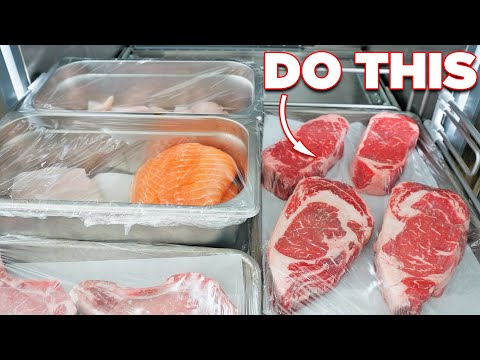
- Cold Storage: All refrigerated items must be kept at 41°F (5°C) or below
- Hot Holding: Prepared hot foods should be maintained at 135°F (57°C) or above
- Danger Zone: Never allow perishable foods to remain between 41°F and 135°F for more than 4 hours
Refrigerators and freezers should be checked twice daily using calibrated thermometers to ensure they are functioning correctly and maintaining required temperatures. Additionally, food items should be clearly labeled with preparation dates and “use by” times to monitor freshness and minimize waste.
Cross-Contamination Prevention
Preventing cross-contamination requires systematic separation of different food types throughout storage and preparation:
- Use color-coded cutting boards: red for raw meat, yellow for poultry, blue for seafood, green for vegetables
- Designate separate storage areas for raw and cooked foods
- Clean and sanitize all surfaces and equipment with approved sanitizing solutions after each use
- Store raw meats on the bottom shelves to prevent drips onto other foods
2. Inventory Management
Adopting inventory rotation practices, such as the “First In, First Out” (FIFO) method, helps ensure that older stock is used before newer items. This approach reduces the likelihood of spoilage and waste while maintaining the freshness of ingredients.
Proper Storage Techniques:
- Store dry goods in sealed containers to prevent contamination
- Maintain proper spacing between stored items for air circulation
- Keep all food items at least 6 inches off the floor
- Monitor expiration dates and remove expired items immediately
By implementing these best practices, restaurants can enhance food safety and deliver a consistently high-quality dining experience to their customers.
Keeping Kitchens and Dining Areas Spotless for Customer Confidence
Maintaining clean kitchens and dining areas is essential for both hygiene and customer safety. The cleanliness of these spaces directly impacts food quality and safety, making comprehensive cleaning protocols non-negotiable for successful restaurant operations.
Daily Kitchen Cleaning Procedures
Comprehensive Cleaning Schedules should cover all surfaces, appliances, and equipment, including often-overlooked areas:
- Deep equipment cleaning: backs of stoves, bottoms of refrigerators, inside of microwaves
- Surface sanitization: all food prep areas with EPA-approved sanitizing solutions
- Floor maintenance: sweeping, mopping, and degreasing to prevent slip hazards
- Ventilation system: cleaning hood filters and exhaust fans to prevent grease buildup
Regular deep cleaning with commercial degreasers and sanitizing agents is crucial for eliminating harmful bacteria and preventing pests from establishing themselves in the kitchen environment.
Dining Area Maintenance Standards
In dining areas, maintaining restaurant hygiene standards requires attention to high-touch surfaces and customer-facing areas:
- Table and seating: Clean and sanitize after each customer with approved disinfectants
- Menu sanitization: Wipe down menus or use disposable/digital alternatives
- Condiment stations: Clean dispensers daily and refill with fresh products
- Payment areas: Sanitize credit card machines and cash handling areas regularly
Restroom Excellence
Restrooms play a crucial role in creating positive customer impressions, as they reflect the overall hygiene standards of the restaurant. Well-maintained restrooms with:
- Adequate soap, paper towels, and toilet paper
- Regular cleaning every 2 hours during peak times
- Proper ventilation and odor control
- Working fixtures and clean surfaces
These standards reassure customers and contribute significantly to their overall satisfaction and likelihood to return.
Leveraging Technology to Maintain Hygiene Excellence
Technology has revolutionized how restaurants manage hygiene, making it easier to implement and maintain high restaurant safety standards. Modern tools enhance efficiency, reduce the risk of human error, and ensure consistency in daily operations.
Digital Monitoring Systems
Modern technology solutions that automate hygiene tracking, reduce human error, and ensure consistent compliance with food safety regulations.
1. Automated Temperature Monitoring eliminates guesswork and human error:
- Digital sensors provide real-time temperature alerts
- Cloud-based logging systems maintain compliance records
- Automated notifications prevent temperature-related food safety violations
- Historical data helps identify equipment issues before they cause problems
2. Inventory Management Technology helps maintain food safety through:
- Barcode scanning for accurate expiration date tracking
- Automated FIFO rotation reminders
- Integration with supplier systems for fresher inventory
- Waste tracking to identify problem areas
Point-of-Sale Integration
A modern restaurant POS system is crucial in supporting hygiene and safety efforts. By digitizing processes, a POS system eliminates the need for paper tickets that can harbor bacteria or create clutter in the kitchen. Digital orders are sent directly to kitchen staff, improving accuracy, reducing unnecessary handling, and minimizing contamination risks.
Additional POS benefits for hygiene include:
- Contactless payment options reducing surface contamination
- Digital receipt options eliminating paper waste
- Staff scheduling integration ensuring adequate coverage for cleaning tasks
- Sales data helping optimize inventory turnover
These technological solutions streamline operations while maintaining a cleaner, safer environment, making them invaluable for restaurants aiming to uphold excellent hygiene standards and provide a healthier experience for both customers and staff.
Case Study: How Upgraded Hygiene Practices Transformed Restaurant Success
Marina’s Italian Kitchen in Denver faced declining customer reviews and a failed health inspection in early 2024, with a score of 78 out of 100. Owner Maria Gonzalez implemented a comprehensive hygiene overhaul that demonstrates the tangible business impact of prioritizing safety standards.
The Challenge:
- Health inspection score of 78 (below the required 80 minimum)
- Online reviews citing “cleanliness concerns”
- 23% decline in repeat customers over six months
- Staff turnover rate of 85% annually
- Two minor foodborne illness complaints
The Strategic Hygiene Implementation: Working with a business consultant, Maria implemented systematic changes:
Month 1-2: Foundation Building
- Invested $12,000 in new refrigeration monitoring systems
- Implemented digital temperature logging and automated alerts
- Restructured staff training with weekly hygiene workshops
- Created detailed cleaning schedules and accountability systems
Month 3-4: Culture Transformation
- Introduced performance bonuses tied to hygiene compliance
- Upgraded to antimicrobial surfaces in food prep areas
- Installed hands-free sinks and sanitizing stations
- Implemented peer-review cleaning verification system
The Results: Within eight months, Marina’s Italian Kitchen achieved remarkable improvements:
Health Inspection Scores:
- Increased from 78 to 96 out of 100
- Zero critical violations in follow-up inspections
- Earned “Excellence in Food Safety” recognition from local health department
Business Performance:
- Revenue increase: 34% year-over-year growth
- Customer retention: Repeat customer rate improved from 42% to 68%
- Online reviews: Average rating increased from 3.2 to 4.7 stars
- Staff retention: Reduced turnover to 23% annually
- Insurance savings: 15% reduction in liability premiums
Customer Feedback Transformation:
- 89% of new reviews specifically mention cleanliness
- Featured in local “Best Clean Dining” articles
- Increased catering bookings by 156%
- Wait times increased due to higher demand
ROI Analysis:
- Total investment: $28,000 in equipment, training, and system upgrades
- Additional revenue generated: $187,000 annually
- Return on investment: 567% within first year
- Estimated long-term brand value increase: $500,000+
This case demonstrates that strategic hygiene investments aren’t just compliance costs—they’re profitable business strategies that drive customer loyalty, operational efficiency, and sustainable growth.
Top 10 Restaurant Health Code Violations and Prevention Strategies
Understanding common restaurant health violations helps establishments proactively address potential issues before they result in penalties or closure. Here are the most frequently cited violations and their prevention strategies:
Critical Violations (Immediate Correction Required): Health code violations that pose immediate safety risks and must be fixed before continuing operations or face closure and substantial penalties.
1. Improper Food Temperatures (32% of violations)
- Penalty: $200-$1,000 per incident
- Prevention: Digital monitoring systems, staff training on temperature protocols
- Compliance: Check temperatures every 2 hours, maintain logs
2. Poor Employee Hygiene (28% of violations)
- Penalty: $150-$750 per incident
- Prevention: Mandatory handwashing training, adequate handwashing stations
- Compliance: 20-second handwashing protocol enforcement
3. Contaminated Equipment/Utensils (24% of violations)
- Penalty: $100-$500 per incident
- Prevention: Sanitizing solution testing, equipment cleaning schedules
- Compliance: Test sanitizer strength every 4 hours
4. Improper Food Storage (21% of violations)
- Penalty: $200-$800 per incident
- Prevention: FIFO rotation training, proper shelving systems
- Compliance: Daily storage inspection protocols
5. Cross-Contamination Issues (19% of violations)
- Penalty: $150-$600 per incident
- Prevention: Color-coded cutting boards, separate storage areas
- Compliance: Dedicated equipment for raw/cooked foods
Non-Critical Violations (Correction Timeline: 10-30 days): Health code issues that don’t pose immediate danger but require correction within a specified timeframe to maintain compliance.
6. Inadequate Cleaning/Sanitizing (17% of violations)
- Penalty: $75-$300 per incident
- Prevention: Written cleaning schedules, approved sanitizing products
7. Pest Control Issues (15% of violations)
- Penalty: $100-$400 per incident
- Prevention: Professional pest control contracts, proper waste management
8. Improper Chemical Storage (12% of violations)
- Penalty: $50-$200 per incident
- Prevention: Locked storage areas, proper labeling systems
9. Missing Documentation (10% of violations)
- Penalty: $25-$150 per incident
- Prevention: Digital record-keeping systems, daily log completion
10. Facility Maintenance Issues (8% of violations)
- Penalty: $50-$300 per incident
- Prevention: Regular facility inspections, preventive maintenance schedules
Annual Cost Impact: Restaurants with multiple violations face average annual penalties of $3,200-$8,500, not including potential closure costs or reputation damage.
Restaurant Safety Standards by Industry Benchmarks
Understanding restaurant safety benchmarks helps establish performance targets and competitive advantages:
Health Inspection Score Benchmarks:
- Excellent: 95-100 points (top 15% of restaurants)
- Good: 85-94 points (industry standard)
- Marginal: 80-84 points (minimum passing)
- Failing: Below 80 points (requires immediate correction)
Cleaning Frequency Standards:
Daily Requirements:
- Food contact surfaces: Clean and sanitize every 4 hours
- Hand sinks: Check and restock every 2 hours
- Floors: Sweep hourly, mop every 4 hours during service
- Dining tables: Clean and sanitize after each customer
Weekly Deep Cleaning:
- Equipment disassembly and detailed cleaning
- Refrigeration coil cleaning and temperature calibration
- Exhaust hood and ventilation system maintenance
- Storage area reorganization and deep sanitizing
Monthly Professional Services:
- Pest control inspection and treatment
- HVAC system cleaning and filter replacement
- Floor drain cleaning and grease trap maintenance
- Fire suppression system inspection
Staff Training Certification Requirements:
- Food Handler Certification: Required within 30 days of hire (varies by state)
- Manager Food Safety Certification: Required for supervisory staff
- Allergen Awareness Training: Mandatory in 23 states
- Refresher Training: Every 90 days minimum for compliance maintenance
Seasonal Hygiene Considerations for Year-Round Safety
Restaurant hygiene protocols must adapt to seasonal challenges that affect food safety and operational cleanliness:
Summer Safety Protocols (June-August)
Enhanced hygiene measures to combat high temperatures, increased pest activity, and higher customer volumes during peak summer months.
Temperature Control Challenges:
- Increased refrigeration load due to higher ambient temperatures
- More frequent temperature monitoring (every hour during peak heat)
- Backup refrigeration plans for equipment failure
- Extended cold chain protocols for deliveries
Pest Management:
- Intensified pest control measures during the peak activity season
- Additional door sealing and screen maintenance
- Increased waste removal frequency to prevent attraction
- Staff training on identifying early pest signs
Winter Maintenance Considerations (December-February)
Cold weather hygiene adaptations, including heating system care, humidity control, and holiday rush cleaning protocol modifications.
Heating System Hygiene:
- HVAC filter replacement every 30 days during heavy use
- Ventilation system cleaning to prevent air quality issues
- Humidity control to prevent condensation and mold growth
- Emergency heating protocols to maintain food temperatures
Holiday Rush Protocols:
- Increased staffing for maintaining cleaning schedules
- Extended operating hours cleaning procedure modifications
- Additional hand sanitizing stations for higher customer volume
- Accelerated waste removal due to increased volume
Spring Deep Cleaning (March-May)
Annual comprehensive cleaning and maintenance procedures to refresh facilities and prepare for increased business activity.
Annual Maintenance:
- Complete equipment servicing and calibration
- Deep facility cleaning including walls, ceilings, and storage areas
- Updating pest exclusion measures after winter
- Staff retraining on updated protocols
Fall Preparation (September-November)
Seasonal preparation protocols to winterize facilities, update emergency procedures, and prepare staff for year-end operations.
Winter Readiness:
- Heating system inspection and maintenance
- Weather stripping replacement and facility winterization
- Inventory management for potential supply disruptions
- Emergency protocol updates and staff training
Technology Comparison: Restaurant Hygiene Management Systems
Modern restaurant technology solutions vary significantly in features, cost, and effectiveness for maintaining hygiene standards:
Digital Temperature Monitoring Systems
Automated temperature tracking solutions that provide real-time alerts, maintain compliance logs, and prevent food safety violations.
Premium Solutions ($500-$1,200 per unit):
- SensorPush Wireless Sensors: Real-time alerts, cloud logging, mobile app integration
- TempGenius Systems: Multi-location monitoring, automated compliance reports
- Monnit Wireless Sensors: Customizable alert thresholds, battery life up to 10 years
Mid-Range Options ($150-$400 per unit):
- ThermoPro Digital Monitors: Basic logging, smartphone connectivity
- AcuRite Professional Sensors: Weather-resistant, accurate ±0.5°F
- Govee WiFi Thermometers: Budget-friendly, basic app functionality
POS System Hygiene Features Comparison
Analysis of point-of-sale systems that support hygiene goals through contactless payments, digital ordering, and reduced paper handling.
Enterprise Solutions:
- Toast POS: Contactless payments, digital receipts, inventory temperature tracking
- Square for Restaurants: Touchless ordering, cleaning schedule integration
- Resy POS: Table turnover optimization, customer health screening features
Benefits for Hygiene Management:
- Reduced paper handling and contamination points
- Digital order transmission eliminates ticket handling
- Contactless payment processing reduces surface contact
- Integration with cleaning schedule management systems
Cleaning Equipment Effectiveness Ratings
Performance comparison of commercial sanitizing equipment including cost analysis, effectiveness ratings, and ROI calculations.
Commercial Sanitizing Systems:
- Electrolyzed Water Systems: 99.9% pathogen elimination, chemical-free
- UV-C Sanitizing Equipment: Effective against viruses and bacteria, no residue
- Ozone Cleaning Systems: Powerful disinfection, requires proper ventilation
Cost-Benefit Analysis:
- Initial investment: $2,000-$15,000 depending on system size
- Annual chemical cost savings: $1,200-$3,600
- Labor efficiency improvement: 15-25% reduction in cleaning time
- Insurance premium reductions: 5-10% for documented sanitation upgrades
Staff Training Templates and Emergency Protocols
Structured training programs and crisis response procedures to ensure consistent hygiene standards and proper incident management.
New Employee Hygiene Training Outline (Week 1)
Comprehensive first-week training schedule covering essential hygiene practices, safety protocols, and restaurant-specific procedures.
Day 1: Personal Hygiene Fundamentals
- Proper handwashing technique demonstration and practice
- Uniform and protective equipment requirements
- Personal health and illness reporting policies
- Basic food safety principles and contamination prevention
Day 2: Food Handling Procedures
- Temperature control and monitoring techniques
- Cross-contamination prevention strategies
- Proper food storage and labeling procedures
- Cleaning and sanitizing equipment operation
Day 3: Restaurant-Specific Protocols
- Daily cleaning task assignments and procedures
- Emergency response protocols and reporting procedures
- Customer interaction hygiene standards
- Documentation and record-keeping requirements
Weekly Assessment: Practical demonstration of all procedures with manager verification and feedback.
Emergency Response Protocols
Step-by-step procedures for handling foodborne illness incidents, equipment failures, and other hygiene-related emergencies.
Foodborne Illness Incident Response:
Immediate Actions (0-2 hours):
- Isolate and preserve suspected food products
- Document all details including time, symptoms, foods consumed
- Contact local health department within 2 hours
- Notify insurance carrier and legal counsel
- Implement enhanced sanitization procedures
- Brief all staff on incident response protocols
Short-term Response (2-24 hours):
- Cooperate fully with health department investigation
- Review and audit all food preparation procedures
- Document all corrective actions taken
- Prepare factual statement for media if necessary
- Review employee health and training records
- Implement additional safety measures as recommended
Equipment Failure Hygiene Procedures:
Refrigeration System Failure:
- Move perishable foods to backup refrigeration immediately
- Monitor temperatures every 15 minutes during outage
- Discard any foods that exceed safe temperatures
- Document all actions taken and foods affected
- Contact repair service and implement temporary cooling measures
- Review and test backup procedures regularly
Power Outage Food Safety Protocols:
- Keep refrigeration units closed to maintain temperature
- Use backup thermometers to monitor food temperatures
- Implement manual temperature logging every 30 minutes
- Prepare to discard foods if temperatures exceed safe limits for over 4 hours
- Document all decisions and temperature readings
- Contact health department if significant food loss occurs
Customer Communication Strategies for Hygiene Excellence
Methods for showcasing safety standards to customers and responding professionally to hygiene-related feedback or concerns.
Displaying Safety Certifications and Standards
Best practices for prominently featuring health certificates, staff certifications, and safety achievements to build customer confidence.
Visible Certification Display:
- Frame and prominently display current health inspection certificates
- Post food handler certifications for key staff members
- Create “Clean and Safe” signage highlighting hygiene practices
- Display temperature monitoring system certificates and calibration records
Digital Communication:
- Website section dedicated to food safety practices
- Social media posts showcasing cleaning procedures and staff training
- Email newsletter updates on new safety equipment and procedures
- Online reviews response strategy emphasizing hygiene commitment
Review Response Templates for Hygiene-Related Feedback
Professional response templates for addressing customer hygiene concerns and highlighting safety improvements on review platforms.
Positive Hygiene Feedback Response:
“Thank you for recognizing our commitment to cleanliness and safety! Our team works diligently to maintain the highest hygiene standards because our guests’ health and comfort are our top priorities. We appreciate customers like you who notice these important details.”
Hygiene Concern Response:
“We sincerely appreciate you bringing this concern to our attention. Food safety and cleanliness are fundamental to our operations, and we take any hygiene concerns very seriously. We have immediately investigated this matter with our management team and have implemented additional training and monitoring procedures to ensure this doesn’t happen again. Please contact us directly so we can make this right and restore your confidence in our establishment.”
Follow-up Communication Strategy:
- Personal phone call or email within 24 hours of concern
- Invitation to return for complimentary meal to verify improvements
- Documentation of corrective actions taken and shared with customer
- Ongoing monitoring and follow-up to ensure satisfaction
Local Compliance and Regional Considerations
Geographic-specific requirements including state regulations, regional challenges, and local health department variations.
State-Specific Health Department Requirements
Detailed breakdown of varying health regulations, certification requirements, and compliance standards across different states.
High-Regulation States (Stricter Requirements):
California:
- Certified Food Protection Manager required for all shifts
- Mandatory allergen training for all food handlers
- Quarterly deep cleaning documentation required
- Enhanced pest control monitoring in coastal areas
New York:
- Food Handler License required within 30 days of hire
- Bi-annual health department inspections
- Mandatory Choking Poster display requirements
- Enhanced cleaning protocols for high-density urban areas
Texas:
- Food Manager Certification required for each location
- Annual recertification for all food handlers
- Enhanced temperature monitoring in extreme heat regions
- Specific requirements for outdoor dining and food trucks
Regional Pest Control Considerations
Geographic pest management strategies addressing climate-specific challenges and seasonal pest activity patterns.
Geographic-Specific Challenges:
Southeast Region (Florida, Georgia, Alabama):
- Year-round pest activity requires monthly professional treatment
- Enhanced moisture control due to high humidity
- Specialized protocols for palmetto bugs and fire ants
- Hurricane preparedness and post-storm sanitization procedures
Southwest Region (Arizona, New Mexico, Nevada):
- Desert pest management, including scorpions and pack rats
- Water conservation impact on cleaning procedures
- Extreme heat considerations for waste management
- Dust control and air filtration requirements
Northeast Region (New York, Massachusetts, Connecticut):
- Seasonal pest population fluctuations
- Winter heating system pest entry prevention
- Enhanced snow and ice safety protocols
- Basement and storage area moisture control
Local Waste Management Regulations
Municipal waste disposal requirements including recycling mandates, grease disposal rules, and regional environmental compliance standards.
Municipal Requirements by Region:
West Coast Cities:
- Mandatory composting programs with specific container requirements
- Grease trap cleaning frequency regulations (monthly minimum)
- Recycling compliance with significant penalties for violations
- Hazardous waste disposal certification requirements
Midwest Communities:
- Agricultural area considerations for waste disposal
- Seasonal waste pickup schedule modifications
- Groundwater protection compliance for grease disposal
- Rural area septic system maintenance requirements
East Coast Metropolitan Areas:
- High-density area waste storage limitations
- Frequent pickup requirements due to limited storage space
- Enhanced rodent control due to urban pest pressures
- Noise ordinances affecting waste removal timing
Compliance Cost Considerations:
- Average monthly waste management: $200-$800 depending on location
- Grease trap cleaning: $75-$300 per service
- Recycling program participation: $50-$200 monthly
- Violation penalties: $100-$2,000 depending on jurisdiction
Understanding and adapting to local requirements ensures full compliance while optimizing operational costs and maintaining excellent hygiene standards across all locations.
Regular Monitoring and Health Inspections
Regular monitoring and health inspections are essential to maintaining restaurant safety standards and ensuring ongoing compliance with food safety regulations. Proactive monitoring helps identify potential issues before they become serious problems.
Daily Safety Checks
Comprehensive Daily Inspections should identify potential hazards such as:
- Unclean surfaces or equipment showing signs of contamination
- Improper food storage temperatures or expired products
- Signs of pest activity or entry points
- Equipment malfunctions that could compromise food safety
- Staff hygiene compliance issues
Addressing these issues immediately helps ensure a clean and safe environment for both customers and staff while preventing minor problems from becoming major violations.
Preparing for Health Department Inspections
While health department inspections can be stressful, they offer valuable feedback on areas that may need improvement. Inspection Readiness requires:
- Maintaining detailed cleaning schedules and completion logs
- Keeping employee training records and certifications current
- Documenting daily temperature logs for all refrigeration equipment
- Having all permits and licenses readily available
- Ensuring staff can demonstrate proper procedures during inspection
This proactive approach not only facilitates smoother inspections but also reinforces a culture of accountability and high standards within the restaurant. Regular self-audits using health department checklists help identify areas for improvement before official inspections occur.
The Impact of Proactive Hygiene Practices on Customer Loyalty
A restaurant’s reputation for cleanliness can be a defining factor that sets it apart from competitors and attracts more patrons. In today’s competitive landscape, restaurant hygiene standards directly influence customer acquisition and retention.
Building Customer Trust
Visible Cleanliness Standards create immediate positive impressions:
- Sparkling clean dining areas demonstrate attention to detail
- Well-maintained restrooms signal overall facility care
- Professional staff appearance reflects establishment quality
- Transparent food preparation areas showcase confidence in cleanliness
Customers increasingly choose restaurants based on perceived safety and cleanliness, with 78% of diners stating that visible hygiene practices influence their dining decisions.
Long-term Business Benefits
By upholding strict food safety regulations, restaurants can minimize costly incidents such as foodborne illness outbreaks, customer complaints, or regulatory violations. This proactive approach reduces the risk of:
- Legal liabilities and potential lawsuits
- Health department fines and penalties
- Negative online reviews and social media backlash
- Loss of customer confidence and repeat business
Maintaining high standards of cleanliness supports long-term profitability by fostering customer confidence, ensuring sustained success, and building a reputation for quality that drives word-of-mouth marketing.
Effective Waste Management for Cleaner, Safer Restaurants
Effective waste management is a critical yet often overlooked aspect of maintaining safety and hygiene in restaurants. Properly handling and disposing of food waste, packaging, and other refuse prevents odors, contamination, and pest problems while supporting sustainability efforts and regulatory compliance.
Waste Management System Implementation
Comprehensive Waste Protocols require restaurants to:
- Use clearly labeled bins for separating recyclables, organic waste, and general trash
- Implement regular waste removal schedules to avoid overflowing bins, which attract pests and create unsanitary conditions
- Utilize closed, odor-resistant containers with tight-fitting lids to minimize contamination risks
- Maintain designated waste storage areas away from food preparation zones
- Clean and sanitize waste containers regularly to prevent bacterial growth
Sustainable Practices
Environmental Responsibility in waste management includes:
- Composting food waste when local regulations permit
- Reducing reliance on single-use plastics and disposable items
- Partnering with local waste management services for efficient recycling
- Training staff on proper sorting procedures to maximize recycling effectiveness
- Implementing portion control to reduce food waste generation
Proper waste management not only ensures hygiene and safety compliance but also reinforces a restaurant’s commitment to environmental responsibility, resonating with eco-conscious customers and building a reputation for social responsibility.
Pest Prevention Through Waste Control
Strategic Waste Management serves as a primary defense against pest infestations:
- Regular removal prevents accumulation that attracts rodents and insects
- Proper sealing eliminates food sources for unwanted visitors
- Clean storage areas reduce pest harborage opportunities
- Professional waste removal partnerships ensure consistent pickup schedules
Transform Your Restaurant’s Competitive Advantage
Restaurant safety standards and hygiene protocols form the cornerstone of sustainable success in today’s competitive foodservice industry. Beyond satisfying regulatory requirements, exceptional hygiene practices drive customer loyalty, protect brand reputation, and create operational advantages that translate directly to improved profitability.
The evidence is clear: restaurants prioritizing comprehensive safety protocols consistently outperform competitors in customer retention, online reputation, and long-term revenue growth.
Success requires systematic implementation of daily monitoring protocols, continuous staff education, strategic technology adoption, and unwavering commitment to excellence. Restaurant owners who treat hygiene standards as competitive advantages rather than compliance burdens create sustainable differentiation that drives customer preference and market position.
Ready to transform your restaurant’s operational excellence and drive sustainable growth? Schedule your complimentary strategy session to discover how strategic operational enhancements can accelerate your restaurant’s success.
Not sure if you're the bottleneck? Find out in 2 minutes →


